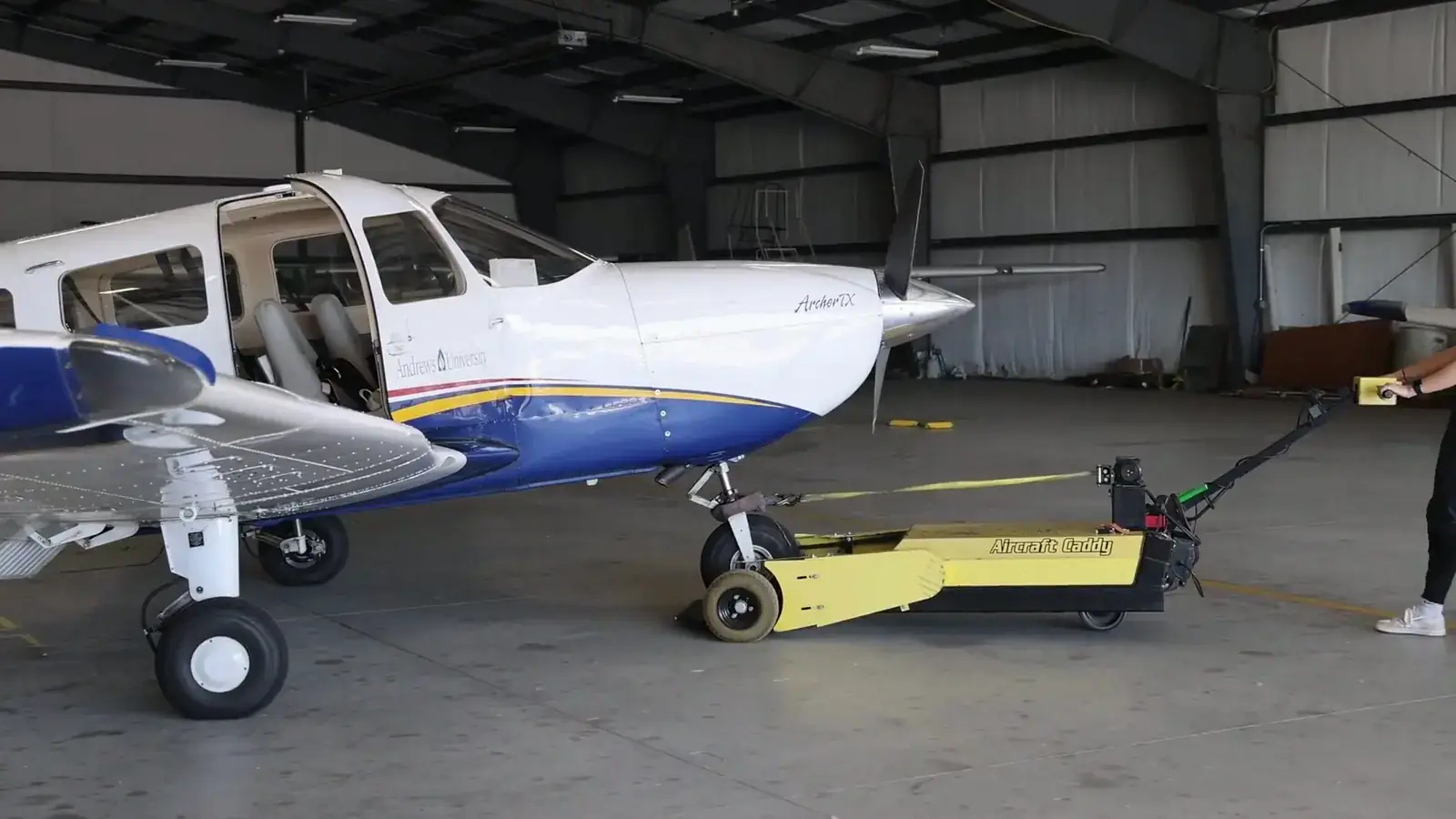
Commercial Pilot License Cost
A line-by-line breakdown of what a commercial pilot license costs in 2026 — the certificate course itself, the 250 hours behind it, and the zero-to-CPL total at My Flight Time.
How Much Does a Commercial Pilot License Cost?
The honest answer depends on where you are starting. If you already hold a Private Pilot License, an Instrument Rating, and the 250 hours required by 14 CFR 61.129, the commercial certificate itself is the cheapest step in your career: our Commercial Single Engine course is $3,125 and takes one to two weeks. If you are starting from zero flight hours, the number that matters is the full path — $39,175 for our Professional Pilot Program (Single Engine), which carries you from your first lesson to a commercial certificate.
Most quotes you see online are misleading because they hide the hour-building. Reaching 250 hours is the single largest expense in commercial training, and the hourly rate you pay for those hours determines your total more than any course fee does. Our single-engine wet rate starts at $90/hr and drops to $76/hr on a 300-hour block, which is why our all-in totals land well below the $80,000-plus figures large academies publish.
Every price on this page is the price we charge, published in full on our pricing page. There are no aircraft surcharges, fuel adjustments, or instructor rate escalations after enrollment.
Commercial Pilot License Cost Breakdown
Commercial Single Engine certificate — $3,125 total. That covers 10 hours of dual flight instruction in the commercial maneuvers ($2,500), 5 hours of ground training ($350), and the written test plus checkride ($1,200). Duration is one to two weeks.
Multi-Engine Add-On — $5,125 total, for pilots who already hold a commercial single-engine certificate. It includes 10 hours of flight instruction in our Piper Seneca or Beechcraft Duchess ($4,500), 5 hours of ground training ($400), and the written test and practical exam ($1,150).
Commercial Multi — $10,250 when taken as part of our Airline Pilot Program, which is the route most students choose when the goal is a regional airline job rather than instructing.
Prerequisites you pay for before the CPL course: Private Pilot License at $11,750 and Instrument Rating at $11,500. Both are required before the commercial checkride under Part 61.
Zero to Commercial Pilot: The Real Total
Professional Pilot Program (Single Engine) — $39,175 over 8 to 12 months: Private Pilot License $11,750, Instrument Rating $11,500, Commercial $3,125, and 160 hours of time building at $12,350. This is the lowest-cost realistic path to a commercial certificate we offer.
Professional Pilot Program (Multi Engine) — $45,500 over 8 to 12 months: the same certificates with 150 hours of time building at $18,200, weighted toward multi-engine aircraft so you graduate with the multi time employers ask about.
Airline Pilot Program — $124,500 over 10 to 12 months, taking you to the 1,500 hours needed for an ATP certificate: Private $11,750, Instrument $11,500, Commercial Multi $10,250, and 1,500 hours of shared time building at $91,000. Pilots who intend to fly for an airline usually compare this number, not the CPL course fee, because it is the true cost of becoming employable.
What Makes Commercial Training Cost Less Here
We own our fleet and run our own maintenance shop 24/7 at Fort Lauderdale Executive Airport (KFXE), so the aircraft rate you pay is not padded by a leaseback margin, and downtime does not push your program into extra months of living expenses. Cessna 172s, Piper Archers and Warriors, a Piper Seneca and two Beechcraft Duchess multis are all in-house.
We fly 12 hours a day, 7 days a week, and South Florida weather cooperates year-round. Finishing in 8 months instead of 18 removes half a year of rent, insurance, and lost income from your real cost of training — a factor almost no published price list accounts for.
Block time-building rates fall as your commitment grows: single-engine at $90/hr for 10 hours, $85/hr at 50, $80/hr at 100, $78/hr at 200, and $76/hr at 300. Multi-engine runs $190/hr down to $176/hr on the same tiers. Building the 250-hour commercial minimum on a large block instead of hour by hour is the single biggest lever on your total.
Budgeting Beyond the Course Fee
Plan for an FAA medical certificate, an FAA knowledge test fee, headset and charts, and housing if you are travelling to train. We offer affordable accommodations minutes from the airport so students relocating for an accelerated program can budget one predictable monthly figure instead of hunting for short-term rentals in Broward County.
Financing is available for students who prefer to spread the cost, and international students on M-1 visas train with us regularly — the program schedule is built to finish inside a single visa period, which keeps living costs down.
My Flight Time Aviation Academy
Frequently Asked Questions
How much does a commercial pilot license cost in 2026?
At My Flight Time the Commercial Single Engine course is $3,125 if you already hold a Private Pilot License, an Instrument Rating, and 250 hours. Starting from zero hours, the full path is $39,175 through our Professional Pilot Program (Single Engine).
Why do commercial pilot license cost estimates vary so much?
Because most estimates leave out the 250 hours of flight time the FAA requires. The certificate course is a small fee compared with the hours behind it, so the hourly rate you pay for time building decides your total.
Is a multi-engine commercial license more expensive?
Yes. Our Multi-Engine Add-On is $5,125 on top of a commercial single-engine certificate, and the multi-engine version of the full program is $45,500 versus $39,175 for single engine, because multi aircraft cost more per hour to operate.
Can I finance the cost of a commercial pilot license?
Yes. We work with financing options for US students and accept staged payments as you progress through each certificate, so you are not paying for hours you have not flown yet.
How long does it take to earn a commercial pilot license?
The commercial course itself takes one to two weeks. Getting to the 250-hour requirement is the long part — our accelerated students typically go from zero to commercial in 8 to 12 months flying 12 hours a day, 7 days a week.