Flight Hour Building
A structured flight hour building operation designed to move your logbook from Commercial minimums to airline-ready totals without wasted days.
What Flight Hour Building Actually Involves
Flight hour building is the phase between earning your Commercial certificate and meeting airline experience minimums. It is not training — it is disciplined, self-directed flying that fills specific logbook categories: total time, cross-country PIC, night, instrument, and multi-engine.
The pilots who finish quickly treat hour building as a project with a schedule. They know exactly which categories they are short in, and they plan every flight to fill more than one at a time.
How We Structure an Hour Building Block
Before your first flight we review your logbook and build a category-by-category gap analysis. If you are 180 hours short on cross-country PIC and 40 short on night, your routes are planned around that rather than around whatever aircraft happens to be free.
You get a standardised checkout in the aircraft type you will fly, then the schedule is yours. Book a day, book a week, or block out a whole month.
Fleet Available for Hour Building
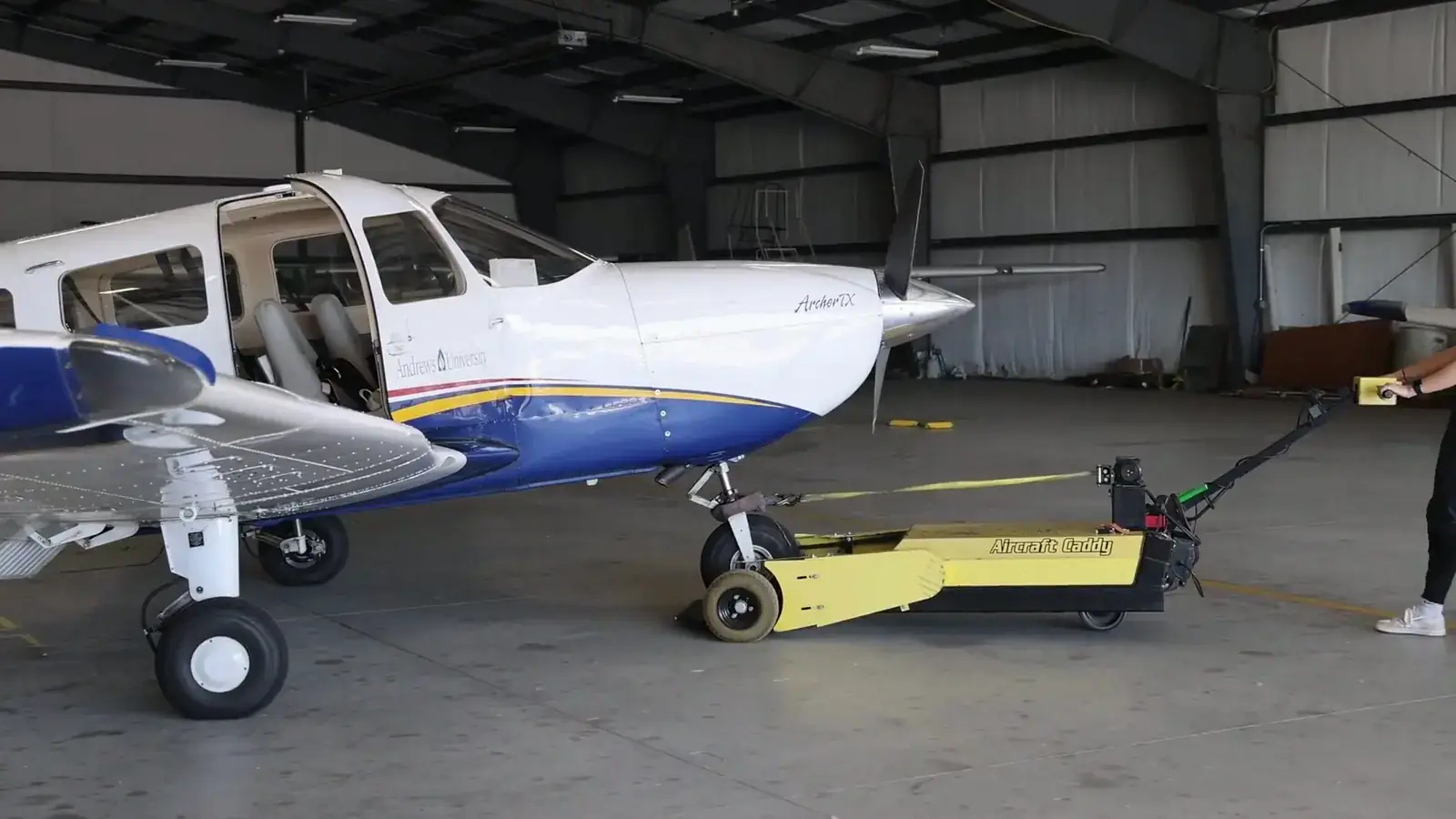
Our company-owned fleet includes Cessna 172s with G1000 and steam panels, Piper Archers and Warriors, and multi-engine Piper Seneca and Beechcraft Duchess aircraft. Because we own and maintain everything in house with a 24/7 maintenance team, aircraft downtime is measured in hours, not weeks.
Every aircraft is IFR-capable, and most carry ADS-B weather and traffic, which matters when you are flying long legs alone.
Hour Building Rates
Single engine blocks: 10 hrs $90/hr, 50 hrs $80/hr, 100 hrs $78/hr, 200 hrs $76/hr, 300 hrs $74/hr.
Multi engine blocks: 10 hrs $190/hr, 50 hrs $180/hr, 100 hrs $178/hr, 200 hrs $176/hr, 300 hrs $174/hr.
All rates are wet. Larger blocks lock the lower rate for the whole block, and unused hours do not expire mid-programme.
How Many Hours You Can Realistically Fly Per Week
With aircraft available twelve hours a day and no weather season to wait out, a motivated pilot can fly twenty to thirty hours a week here. The limit is rarely the schedule — it is fatigue and turnaround time. Two flights a day with a real break between them is sustainable for weeks; four is not, and quality of logged experience drops sharply when a pilot is tired.
A useful planning figure is four hours of flying per available day, which produces roughly a hundred hours a month for a pilot flying six days a week. Longer cross-countries push the daily figure higher because a single sortie can log five or six hours.
Weather Planning in South Florida
The regional advantage is over three hundred VFR days a year, but the wet season brings afternoon convection that builds on a predictable schedule. Local pilots fly early — departing at first light and being back on the ramp before the sea-breeze collision line fires — and use late afternoons for ground work or short local flights. Adopting that rhythm is the single biggest driver of hours actually flown.
Fitting Hour Building Around a Job
Pilots who cannot take a month off usually work in two-week intensive blocks, or fly consistent early-morning slots before a shift. Both work; what fails is the once-a-fortnight pattern, where currency erodes and each flight starts with relearning. If your availability is thin, protect frequency over duration.
My Flight Time Aviation Academy
Frequently Asked Questions
How is hour building different from flight training?
Training is instructor-led and works toward a checkride. Hour building is pilot-directed flying you plan and command yourself, with no syllabus and no instructor on board unless you request one.
What licence do I need before I start hour building?
A Private Pilot certificate at minimum. Most pilots in our hour building blocks already hold an Instrument Rating, which lets them log approaches and actual instrument time while they build.
Can I build hours in more than one aircraft type?
Yes. Many pilots split a block between a Cessna 172 and a Piper Archer to broaden their experience, and add a short multi-engine block near the end for airline competitiveness.
Do I have to fly every day?
No, but the pilots who finish fastest fly five to six days a week. Sporadic flying costs more in the long run because currency and proficiency have to be rebuilt each time.