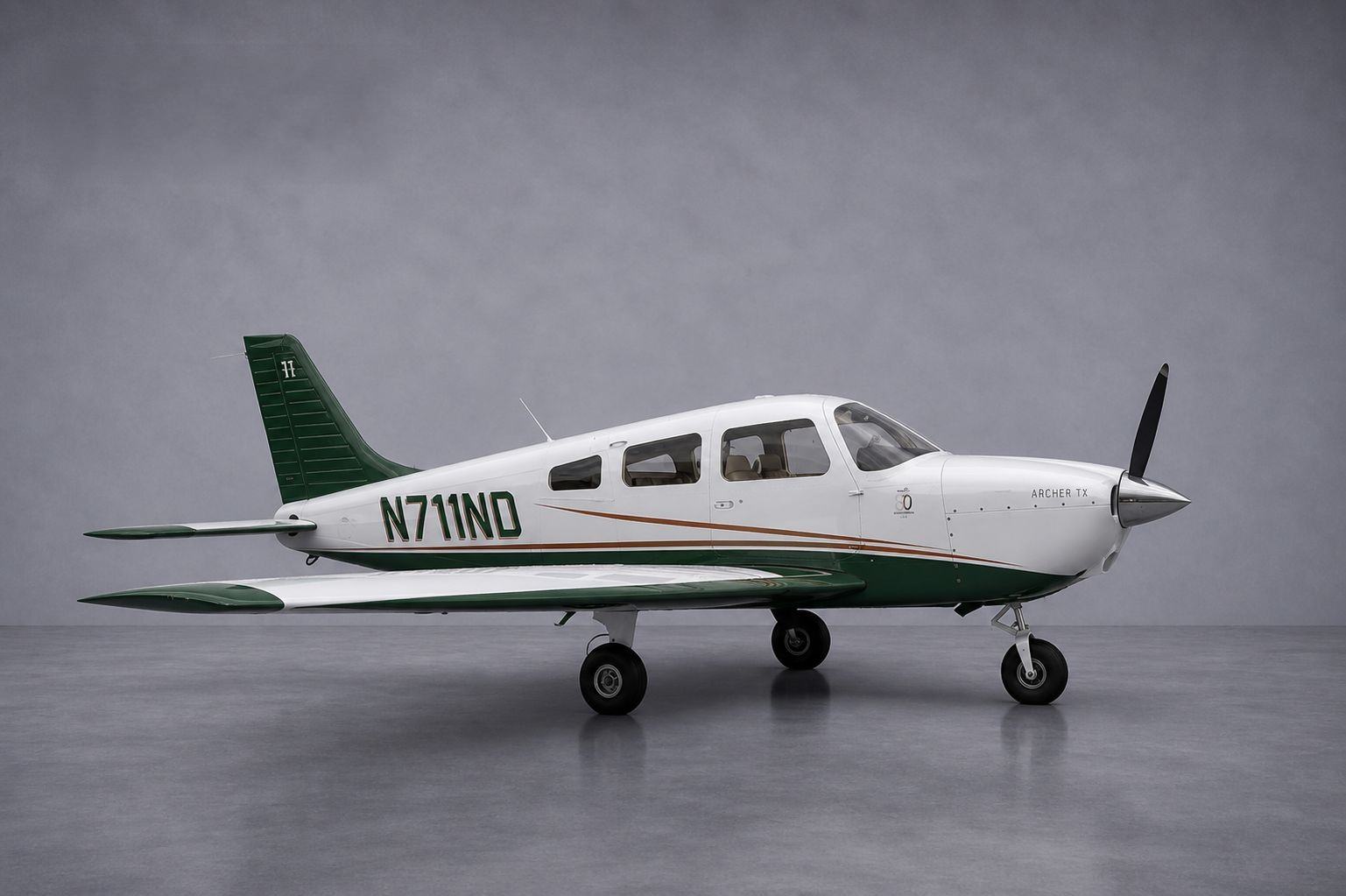
Both count the same in your logbook. Steam-gauge aircraft are cheaper, from $100/hr down to $60/hr wet. Premium G1000 aircraft cost more, from $125/hr down to $75/hr, but give you glass-cockpit habits that carry into modern jets. Many pilots split their block: most hours in the cheaper aircraft and a portion in the G1000 to get comfortable with glass. Here is how to decide.
Cost Difference
At most tiers the G1000 premium is about $15 an hour. Over 100 hours, that is roughly $1,500 more.
When Glass Is Worth It
- You plan an instrument rating or IFR-heavy flying
- You want practice with the autopilot and moving-map workflow
- You are close to airline interviews and want modern habits
When Steam Gauges Make Sense
If your only goal is total time at the lowest cost, steam gauges win. Browse the fleet and pricing.
Frequently asked questions
Do airlines care if my hours are in glass?
The hours count the same. Glass experience can make later training feel more familiar, but it is not a hiring requirement.
What is the premium G1000 rate?
Premium single engine runs from $125/hr down to $75/hr depending on the package size.
Can I mix G1000 and steam-gauge hours?
Yes. Many pilots build most hours in the lower-cost aircraft and fly part of the block in a G1000.