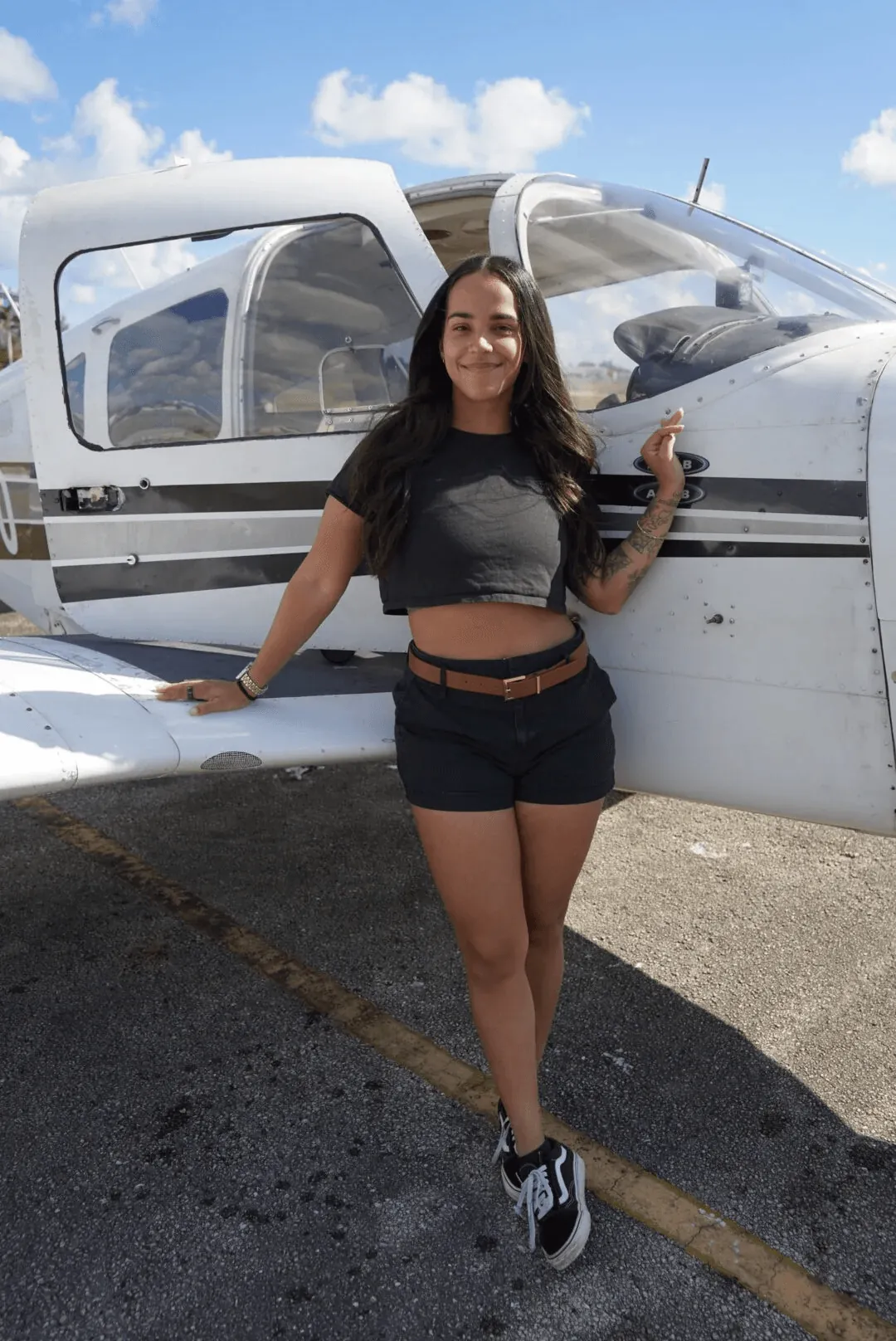
Paid time building reaches 1,500 hours in 8–12 months at ~$90,000–$110,000 out of pocket. Becoming a CFI costs ~$10,000 upfront and pays you while you fly, but takes 18–30 months because you depend on student bookings, weather, and seasonality. Time building is faster; CFI is cheaper and produces better airline interview material. Most successful applicants do a hybrid: instruct 3 days a week, time-build 2. This post lays out the calendar math, cost, and hiring implications side by side.
How Many Hours Per Month Can You Actually Log?
A full-time time-building pilot at our KFXE base averages 130–170 hours a month flying 6-hour cross-countries 5–6 days a week. A busy CFI at a flight school averages 60–90 hours of dual-given per month when the schedule is full — often less during slow seasons or exam periods.
Do the math: to add 1,250 hours (Commercial → 1,500 ATP), time building takes ~8–9 months at 150/mo. CFI work takes ~17–21 months at 70/mo. Reality is messier — weather, checkrides, and student progress add 2–6 months to CFI. See our 1,500-hour breakdown for path-by-path timelines.
What Does Each Path Cost?
Time building at $60/hr wet in a Cessna 152 = $75,000 for 1,250 hours. Add lodging, insurance, and unexpected maintenance days and expect $90,000–$110,000 total. Multi-engine time in a Beechcraft Duchess at $160/hr wet costs $200,000+ if you build everything in a twin — most pilots build only 25–50 hours multi.
CFI ratings cost $8,000–$12,000 upfront (CFI, CFII, MEI). Once you're instructing, gross earnings at $40–$75/hr times 70 hours/month = $2,800–$5,250/month. Over 20 months that's $56,000–$105,000 gross before taxes and personal expenses — so many CFIs break even or net a small profit while getting to 1,500.
Which Path Do Airlines Prefer?
Regional airline recruiters (Envoy, PSA, Republic, Piedmont, SkyWest) don't strictly prefer one over the other, but CFI time signals maturity: you were trusted with student safety, kept training records, and passed FAA scrutiny. Time-built hours are equally legal, but interviewers may ask what you did with 1,000 hours of cross-country if there's no story behind them.
The workaround: time-building pilots who fly diverse routes (mountain airports, IFR conditions, night, complex airspace) tell a strong story too. Log everything meaningful. If you're building at our KFXE base, you'll rack up real Class B/C/D radio work with Miami Approach and Fort Lauderdale Tower every flight — recruiters love that.
What About the R-ATP Pathway?
R-ATP at 1,000 or 1,250 hours shifts the math heavily toward time building. If you're aiming for 1,000 hours with a bachelor's degree, time building gets you there in 5–7 months. See our R-ATP vs ATP guide for the full requirement breakdown.
What About the Hybrid Route?
The most efficient real-world path: instruct part-time (2–3 days a week) at a busy school and rent time-building aircraft on your days off. You'll log 100–120 hours/month, cover most of your living expenses with CFI income, and reach 1,500 in 12–15 months for roughly $30,000–$50,000 out of pocket. This is what most of our long-term time-building students end up doing.
Which Should You Choose?
- Choose time building if you have savings, want the fastest calendar time, and have a clear regional interview date.
- Choose CFI if you're capital-constrained, enjoy teaching, and can afford 18–30 months.
- Choose the hybrid if you want a balance — moderate savings, moderate speed, strong logbook narrative.
Ready to Move?
My Flight Time's Time Building Program runs 12 hours a day, 7 days a week — start any Monday. If you also want to knock out a CFI, we'll walk you through both tracks and help you pick the mix that hits your regional interview date.
Frequently asked questions
Does airline hiring prefer CFI time over cross-country time building?
Recruiters value both, but instructing gives you teaching examples, decision-making stories, and a professional reference list that pure time building does not. That is why interview panels often favor applicants with instructional hours.
Can I instruct and time-build at the same time?
Yes, and it is the most common hybrid. Instructing three days a week and time building two keeps income coming in while still adding cross-country and multi-engine hours to the logbook.
How long does it take to earn a CFI certificate?
Budget six to ten weeks of focused work after your commercial certificate, including the fundamentals of instructing exam, the spin endorsement, and the initial CFI checkride.