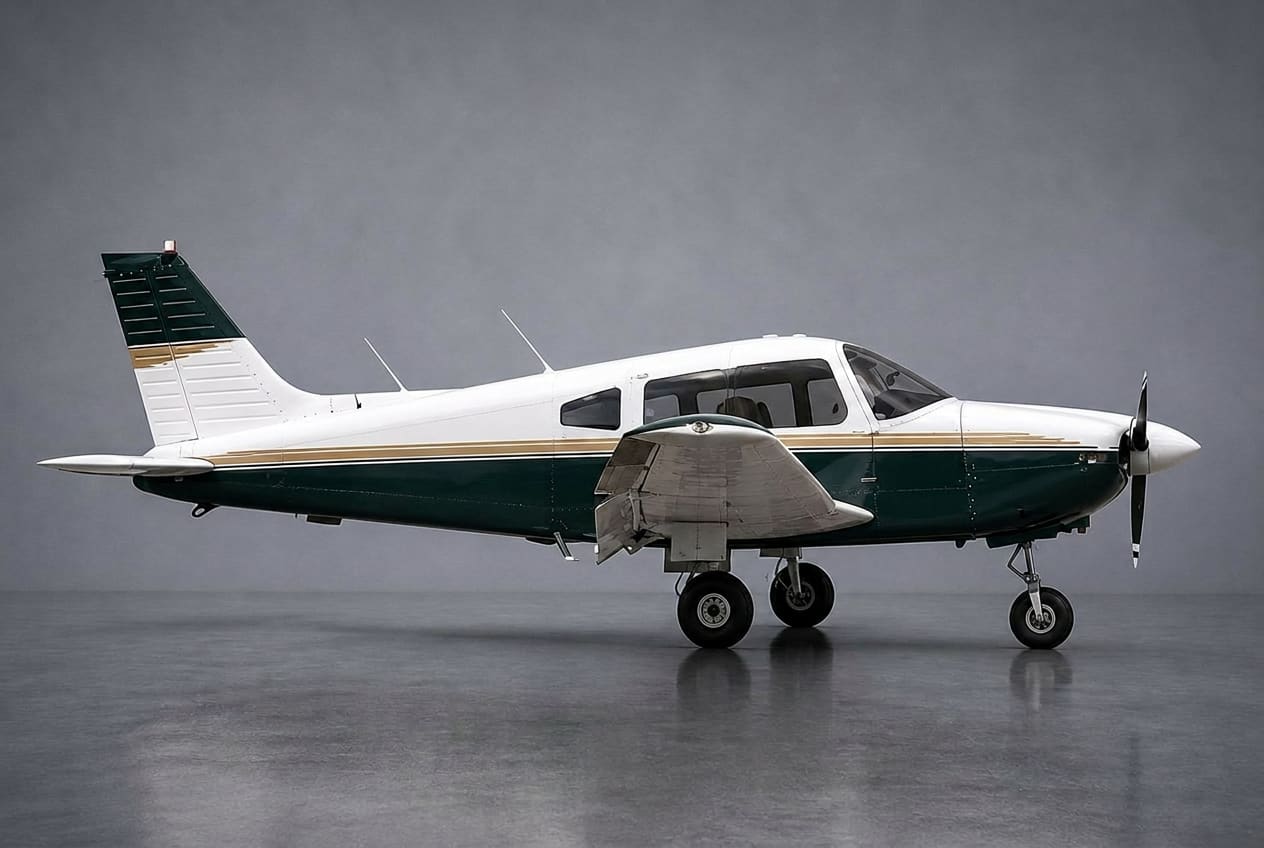
Two pilots sharing a Cessna 152 at $60/hr wet each pay $30/hr — a 50% cost cut. In shared time building, pilots alternate as sole manipulator on cross-country legs, and only the flying pilot logs Pilot-in-Command time (which counts toward ATP mins). Each pilot ends the day with half the total tach time as PIC, at half the hourly cost. Over 1,250 hours to reach ATP, that's $37,500 saved per pilot. Below: how to log legally, split the fuel bill fairly, and pick a shared partner you actually want to fly 800 hours with.
How Does Shared Time Building Work?
Two pilots rent a single aircraft together. On each leg of a cross-country, one pilot is sole manipulator and logs PIC; the other sits right seat, monitors, and logs nothing (unless safety-pilot-rated conditions apply). On the return leg, roles swap. Both split the wet rental cost 50/50. At our KFXE time building program, a $60/hr C152 becomes $30/hr per pilot.
Is It Actually Legal to Split Costs?
Yes — with limits. FAR §61.113(c) allows a private pilot to share equally in operating expenses (fuel, oil, rental, airport fees) with passengers, but not to make a profit. For two Commercial pilots time-building together, splitting the wet rental is straightforward. The pilot flying logs PIC; the pilot in the right seat logs nothing unless they're acting as safety pilot for the flying pilot under simulated instrument conditions (in which case both can log — see below).
How Do You Log Hours When Both Are Rated?
- Flying pilot: logs PIC (§61.51(e)(1)(i)) — sole manipulator of the controls.
- Right-seat pilot: logs nothing UNLESS acting as safety pilot for simulated instrument.
- Safety pilot arrangement: flying pilot logs PIC + simulated instrument; safety pilot logs PIC (§61.51(e)(1)(iii)) as required crewmember.
The safety-pilot trick means both pilots log PIC on the same leg — effectively doubling logbook progress at half the cost per pilot. Both must hold at minimum a Private with appropriate category/class ratings. Verify with your CFII before you rely on this method.
What Does Shared Save Over 1,250 Hours?
Solo time building 1,250 hours at $60/hr wet: $75,000. Shared (basic split, no safety-pilot logging) 1,250 hours PIC per pilot at $30/hr effective: $37,500 per pilot — but each pilot needs to fly 2,500 total tach hours to get 1,250 PIC hours. That's twice the calendar time.
With the safety-pilot arrangement, both pilots log 1,250 PIC on 1,250 tach hours — each pays $37,500 for their 1,250-hour ATP time. Same calendar time as solo, half the cost.
How Do You Find a Shared Partner?
- Same target ratings and timeline — someone also going for R-ATP at 1,000, not casual weekend flyer.
- Similar schedule availability — full-time with full-time works; mismatches wreck efficiency.
- Compatible personality — you'll spend 800+ hours in a cabin together.
- Comparable skill level — matched IFR proficiency, matched multi endorsement if building multi.
Our Time Building Program matches pilots into shared programs on request. We won't force you into a mismatched pair.
What Are the Risks?
Partner backs out mid-program (you're stuck with full rate or find a new partner fast). Aircraft insurance considerations — verify the school allows two-pilot operations for logging purposes. Scheduling conflicts if your target destinations diverge. Personality mismatches — brief this ahead of time.
Ready to Split Costs?
Our Time Building Program supports both solo and shared arrangements. Bring a partner or ask us to match you — either way, our $60/hr wet rate becomes $30/hr per pilot.
Frequently asked questions
Is shared time building legal?
Yes. Two pilots may share flight costs when both are qualified, and the pilot not flying can log time as a safety pilot when the other is under the hood. Log entries must reflect the actual role each pilot performed.
How do I find a reliable time-building partner?
Match schedules and goals first, ratings second. The best partners fly the same days, want similar cross-country routes, and agree in advance on how fuel and hangar fees are split.
What is the realistic saving from sharing an aircraft?
Splitting a wet rate roughly halves your per-hour cost while both pilots still log time, though only one logs pilot-in-command for a given leg.